
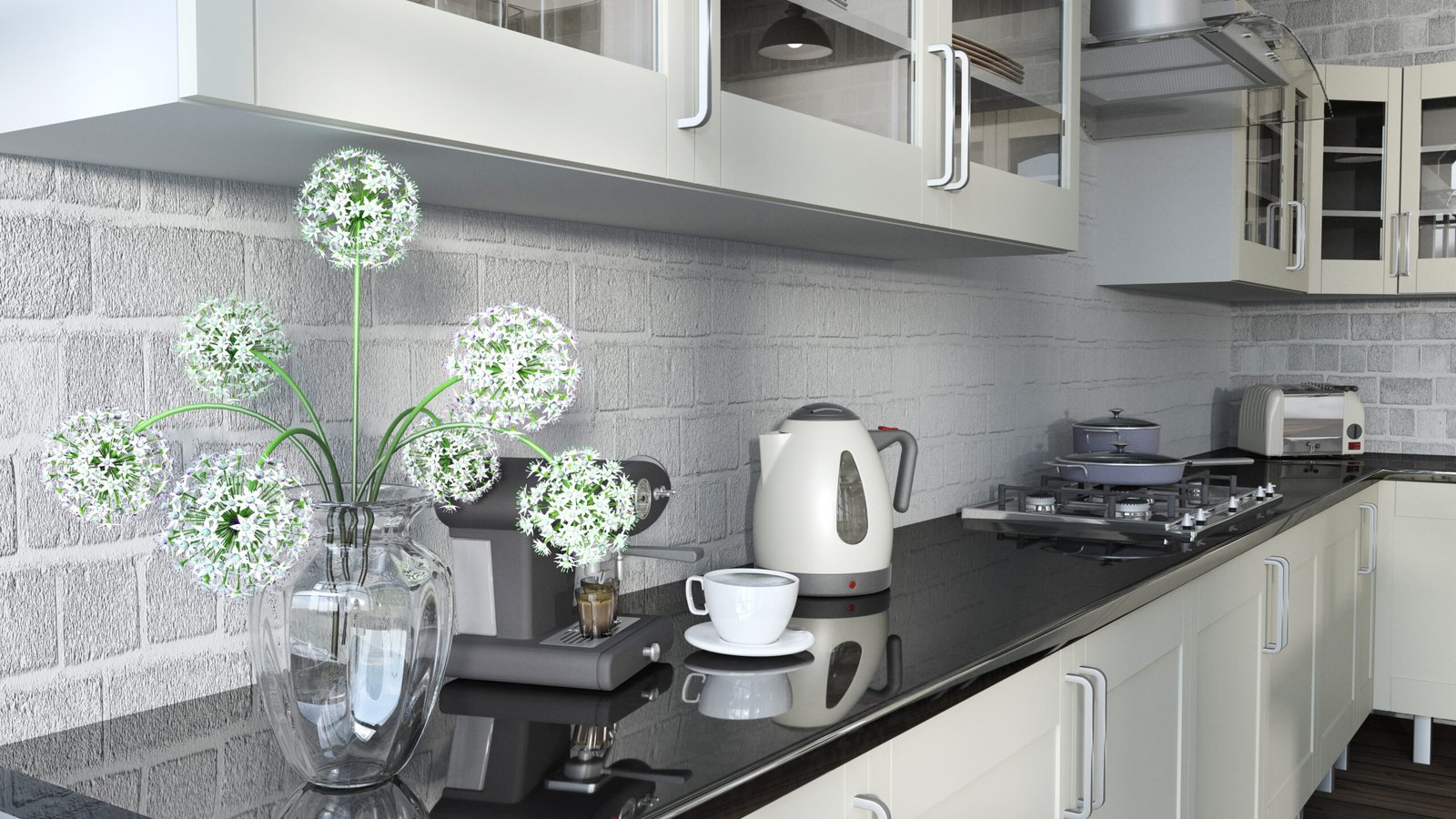
If you walked into a modular kitchen showroom five years ago, chances are you saw the same thing on repeat: white cabinets, glossy finishes, and a layout that looked good in photos but never quite fit how you actually cooked. That era is fading fast. Modular kitchen design in 2026 is less about following a template and more about building a space that works for your daily routine while still looking sharp. Here’s what’s actually changing, and why it matters if you’re planning a renovation.
Table of Contents
Bold Colours Are Replacing All-White Kitchens
The all-white kitchen had a long run, but homeowners are ready for something with more personality. Bottle green, charcoal grey, mocha brown, tangerine, and deep teal are showing up on cabinets and islands this year. Dual-tone combinations — a darker base with a lighter upper unit, or vice versa — are especially popular because they add depth without overwhelming a small space.
This shift isn’t just about aesthetics. Colour is being used strategically to zone kitchens, define islands, and create contrast against neutral countertops and backsplashes. If you’re nervous about committing to a bold shade, a dual-tone approach lets you experiment with colour on lower cabinets while keeping the rest of the kitchen neutral.
Matte Finishes Are Winning Over Gloss
Glossy laminates used to be the default because they reflect light and make small kitchens feel brighter. But gloss has a well-known downside: it shows every fingerprint and scratch, especially near handles and high-touch areas. Matte and velvet-touch finishes have taken over as the practical, premium-looking alternative. They hide daily wear far better and give cabinets a softer, more tactile feel that pairs well with the warmer colour palettes trending this year.
Storage Is Now the Starting Point, Not an Afterthought
Design used to come first, with storage worked in wherever it fit. That order has flipped. The first question designers ask now is simply: where will everything go? Pull-out pantries, tall units, corner carousel systems, and vertical dividers for trays and chopping boards are becoming standard rather than premium add-ons. Built-in bins for waste segregation are also showing up more often, reflecting a broader shift toward kitchens that are genuinely easy to live with, not just easy to photograph.
This focus on smart storage matters most in compact apartments, where every inch of cabinet space needs to earn its place. Even in larger homes, hidden, well-organised storage is now seen as more valuable than open shelving that looks nice but needs constant tidying.
Semi-Open Layouts Are Replacing Fully Open Ones
Fully open kitchens had a strong moment, and they still look great in a home tour. But daily use tells a different story — cooking smells travel, noise spreads into living areas, and there’s little visual separation when the kitchen isn’t spotless. As a result, many homes are moving toward semi-open layouts: a partial wall, a breakfast counter, or a sliding partition that offers a sense of connection without full exposure. It’s a small design change that makes a noticeable difference in how comfortable a kitchen feels day to day.
Sustainability Is No Longer Optional
Eco-conscious material choices have moved from a “nice to have” to an expectation. Recycled wood, toxin-free paints, and low-impact organic materials are increasingly common in modular kitchen builds. Homeowners are also paying closer attention to how materials are sourced, favouring manufacturers who can speak to ethical and environmentally responsible production. Beyond the environmental angle, these materials tend to be more durable and healthier for indoor air quality — a practical benefit alongside the sustainability one.
Quiet Hardware and Subtle Tech Integration
Soft-close drawers and cabinets have become the norm rather than a premium feature, and for good reason — the difference is subtle but noticeable, especially in daily use. Hydraulic lift-ups for overhead cabinets and touch-controlled fittings are also becoming more common, making kitchens feel more refined without looking overly “smart” or gadget-heavy. The trend here isn’t flashy technology; it’s technology that quietly makes the kitchen easier to use.
Popular Layouts in 2026
L-shaped kitchens remain the most versatile choice for Indian homes, offering efficient workflow without needing a large footprint. U-shaped layouts continue to be favoured for their storage and counter space in mid-to-large kitchens. G-shaped kitchens, with their extended wraparound counter, are gaining popularity in bigger homes that can accommodate the additional space. For compact apartments, straight-line kitchens remain a practical, minimalist option that doesn’t compromise on function.
Materials Worth Considering
Quartz, sintered stone, granite, and porcelain slabs continue to dominate countertop choices thanks to their durability, heat resistance, and stain resistance. The right choice usually comes down to budget, maintenance preference, and how the countertop will be used day to day — a busy family kitchen has different needs than one used mainly for light cooking and entertaining.
Final Thoughts
Modular kitchen design in 2026 is less about chasing a single look and more about balancing personality with practicality. Bold colours and matte finishes bring warmth and character, while smart storage, semi-open layouts, and sustainable materials keep the space functional for real, everyday life. The best approach is to treat these trends as a starting point rather than a checklist — pick the elements that genuinely suit your habits and space, and build a kitchen that will still feel right in five years, not just in this year’s photos.
FAQs
1. What is the most popular modular kitchen layout in 2026? L-shaped and U-shaped kitchens remain the top choices for Indian homes because they optimise space and workflow. G-shaped layouts are also gaining traction in larger homes for their extended counter space.
2. Matte or glossy finish — which is trending now? Matte and velvet-touch laminates are winning over glossy finishes. They resist fingerprints and scratches better, giving cabinets a longer-lasting, premium look.
3. Are open kitchens still in style? Not entirely. Many homeowners are shifting to semi-open layouts, which offer some visual connection to the living area while containing cooking smells and noise.
4. What materials are trending for modular kitchen countertops? Quartz, sintered stone, granite, and porcelain slabs are popular for their durability, heat resistance, and stain resistance.
5. How important is storage design in a modern modular kitchen? Very important. The focus has shifted from pure aesthetics to smart storage — pull-outs, tall units, and corner systems that keep everyday items organised and out of sight.
